FBM & Warbird Platforms
Solo-built, multi-platform inventory management
Built single-handedly: a multi-platform inventory management stack (web, iOS, and Android) on a shared custom Supabase backend I designed.
Oct 2025 - Present
FBM from Oct 2025; Warbird commissioned Feb 2026.
Next.js 16 · React 19 · Swift / SwiftUI · Android · Supabase · Claude · 20+ API routes

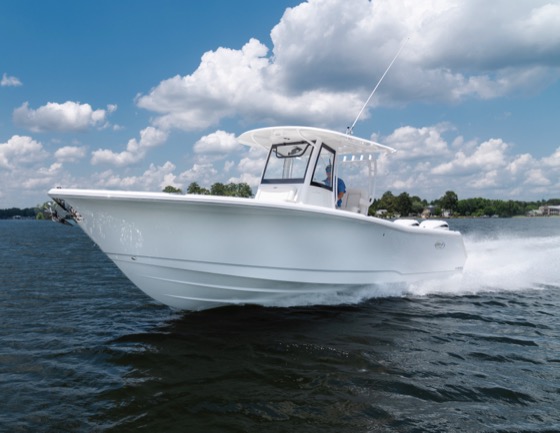
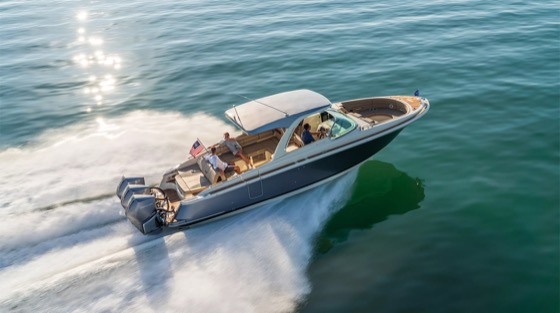
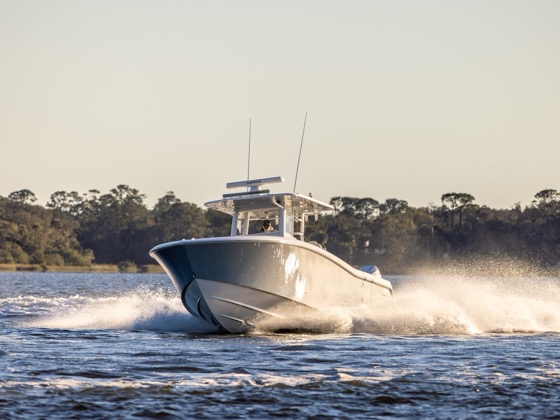
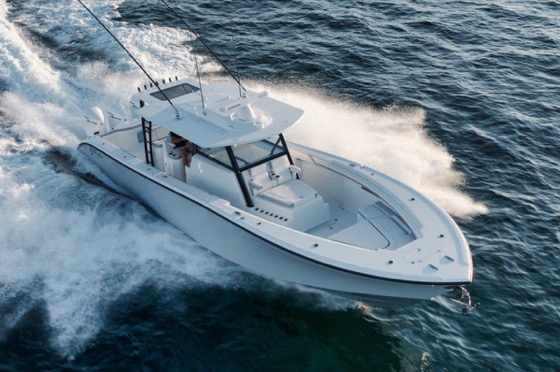
A boat dealership runs on a full lifecycle of paperwork: factory build sheets, photos and listings, pricing and discounts, sell sheets and NDAs, floor-plan financials. At Flying Bridge Marina that lifecycle ran through the same antiquated, manual patterns I had seen across the portfolio: documents handled one at a time and spreadsheets reconciled by hand.
I built the replacement single-handedly, hands-on in agentic AI coding environments (Claude Code and the Claude API): one platform across web, iOS, and Android on a shared custom Supabase backend I designed. Factory build sheets parse into structured inventory, photo management and AI-written listings live in one place, pricing and discounts stay governed, build sheets, sell sheets, and NDAs generate on demand, and floor-plan financials reconcile from parsed bank statements.
GUS, the embedded Claude assistant, works inside the platform every day: streaming chat with conversation history, boat cards, and a typewriter UI, answering questions over live inventory and financials. AI runs through the workflows, not beside them: AI-written listings, AI description backfill, image focal point computation, and on the Warbird side a semantic smart-search API and a dedicated AI chat.
Built single-handedly for one dealership
Presented directly to the CEO of Warbird, parent company of Invincible and Yellowfin Boats
Commissioned for the manufacturer after that one meeting
Running Warbird's inventory in production today
- 20+ API route handlers: statement upload/parse/match/apply, listing audits, sheet generation, NDA generation, AI backfill, image focal points, Warbird inventory sync
- Build-sheet parser (62KB module) turns factory PDFs into structured inventory records; diff modal and autofill for review
- Financials suite: statements, curtailments, interest, credit lines, lender exposure charts, cover sheets, monthly recap cron
- GUS Claude assistant (streaming chat, conversation history, boat cards, typewriter UI) answers over live inventory and financials
- Feature-level permissions registry, role-based access, soft delete with recently-deleted recovery, full activity log
- Public embeds: featured-boats widget and inquiry forms served to the dealership's marketing sites
- Tools: boat valuation, compare boats, market comparison, trade-in estimator, fuel and loan calculators, sheet exporter
- Supabase realtime updates, automated database and file backup crons
Fifty boats have been sold and reconciled through the two platforms, $18.8M of transactions, with 225 listings written by the AI and 95 staff working in them daily. That is the measure I care about: not that the software exists, but that a dealership and a manufacturer both run on it.
This is what I mean by AI adoption: build something so useful that an executive buys it in one meeting, then make it dependable enough to manage a manufacturer's inventory in production.
FBM Sales, iOS
Oct 2025 - Present
400+ Swift files putting the full sales workflow in salespeople's pockets on the docks.
A native SwiftUI build, not a wrapped web view. Authentication and onboarding, an admin panel, the lead pipeline, and the full boat, engine, and trailer inventory, all against the same Supabase backend the web platform uses, so a change on the lot is on the dashboard immediately.
GUS comes along too. The assistant answers over live inventory in a streaming chat, renders the boats it finds as tappable cards, and shows an animated paw while it works. Alongside it sit the valuation and finance calculators the team actually quotes from, including the loan calculator that pulls current boat-loan rates.
It ships with unit and UI test targets and a documented data and seed layer, because a sales tool that breaks on a Saturday is worse than no sales tool.
Warbird Sales, iOS & Android
Feb 2026 - Present
The manufacturer's inventory in the field, on both platforms.
430+ Swift files reusing the FBM mobile architecture against Warbird's brands and shared inventory data. Yellowfin and Invincible each get their own tile with a live status breakdown, and a semantic search field lets a rep describe what a customer wants in plain language instead of filtering by hand.
Warbird AI is the manufacturer's own assistant, with its own tone and its own suggestion set, rendering the boats it references as inline chips.
Android is a real second build, not a port of a web page: roughly 14,600 lines of Kotlin and Jetpack Compose with Hilt, the Supabase Kotlin SDK, its own navigation graph and its own test packages. Whatever phone someone carries, they get the same inventory.


FBM Sales Platform
Oct 2025 - Present
The dealership operations dashboard: inventory, financials, listing audits, and generated sheets across 20+ API routes.
Warbird Admin
Feb 2026 - Present
The manufacturer's deployment, sharing inventory and contacts with FBM, plus semantic smart search and a dedicated Warbird AI chat.